





A kink is any sexual interest that sits outside conventional intercourse, and it remains one option among many. A fetish is narrower: arousal becomes anchored to one specific object, material, or non-genital body part, and that focus is often needed for arousal to work at all.
That single difference, breadth versus fixation, is the whole distinction, and it is why searches for “kink meaning” and “fetish meaning” return such contradictory answers. What follows is what each term means, what psychiatry does and does not treat as a disorder, a glossary of the most searched named kinks, and where consent fits in.
Kink Meaning: What Counts as a Kink?
Kink is an informal umbrella term for sexual interests, activities, or dynamics that fall outside conventional penetrative sex. It covers restraint, sensation, power exchange, roleplay, and specific materials, with nothing in common except sitting off the default script. Because kink is a cultural word rather than a medical one, no authority publishes a definitive list.
Interests of this kind are also ordinary rather than rare. In a survey of 1,040 adults, 45.6% reported interest in at least one paraphilic category and about a third had experienced one at least once, with fetishism reported by 26% and voyeurism by 35%, which places atypical interest closer to the statistical norm than to the exception.
The practical marker of a kink is that it is additive. Someone with a rope kink still enjoys sex without rope; the rope makes a good thing better. That is what separates a kink from the next term.
Fetish Meaning: When Interest Becomes Focus
A fetish is arousal that attaches to a particular object, material, or non-genital body part rather than to a person as a whole. Where a kink adds to arousal, a fetish tends to carry it.
The clinical definition widened in a way that clarifies the boundary. Where earlier diagnostic manuals limited fetishism to inanimate objects and filed body-part focus separately as partialism, the current definition of fetishistic disorder was expanded beyond nonliving objects to include a highly specific focus on non-genital body parts. A foot focus now sits in the same category as a shoe or leather focus, because the mechanism is identical: desire settles on one thing and stays there.
That settling is narrow. A study mapping 381 online discussion communities found that body parts accounted for about 33% of fetish preferences and objects worn on the body for about 30%, with feet and footwear the most common target of all. Fetishes cluster around a small set of focal points rather than spreading evenly.
The Clinical Line: Paraphilia Versus Paraphilic Disorder
Psychiatry draws its line somewhere different from where most people assume: the interest itself is not the issue, and what matters is whether it causes harm or suffering. The vocabulary makes that explicit. A paraphilia is defined as a persistent, intense, atypical sexual arousal pattern, independent of whether it causes any distress or impairment, while a paraphilic disorder is the same pattern accompanied by clinically significant distress or impairment. One is a description. Only the other is a diagnosis.
The American Psychiatric Association sets that threshold as either personal distress that goes beyond distress resulting from society’s disapproval, or behaviour involving unwilling persons, and clinical guidance adds a duration test of at least six months, with significant distress, functional impairment, or harm to others.
International classification has gone further. Under the current global disease classification, fetishism, fetishistic transvestism, and sadomasochism are no longer listed as distinct diagnostic categories, on the reasoning that these involve solitary or consensual activities not necessarily associated with functional impairment. What remains classified are patterns involving people who cannot or do not consent. Consent, not unusualness, is the axis clinicians care about.
Types of Kinks: A Short Glossary
The kinks below are the ones people search for most often. Every one assumes enthusiastic agreement from everyone involved.
Praise Kink
A praise kink is arousal driven by verbal affirmation: being told you are doing well, being wanted in explicit words. It sits at the gentlest end of power exchange and needs no equipment, which is why couples often discover it by accident. Its mirror image, arousal from teasing or mock disapproval, runs the same mechanism in reverse.
Breeding Kink
A breeding kink is arousal tied to the idea of conception rather than to conception itself, and for most people who report it, it lives entirely in fantasy and language. A fantasy is not a plan, and it does not override contraception, sexual health precautions, or an explicit agreement about what actually happens.
Impact, Sensory, and Rope Play
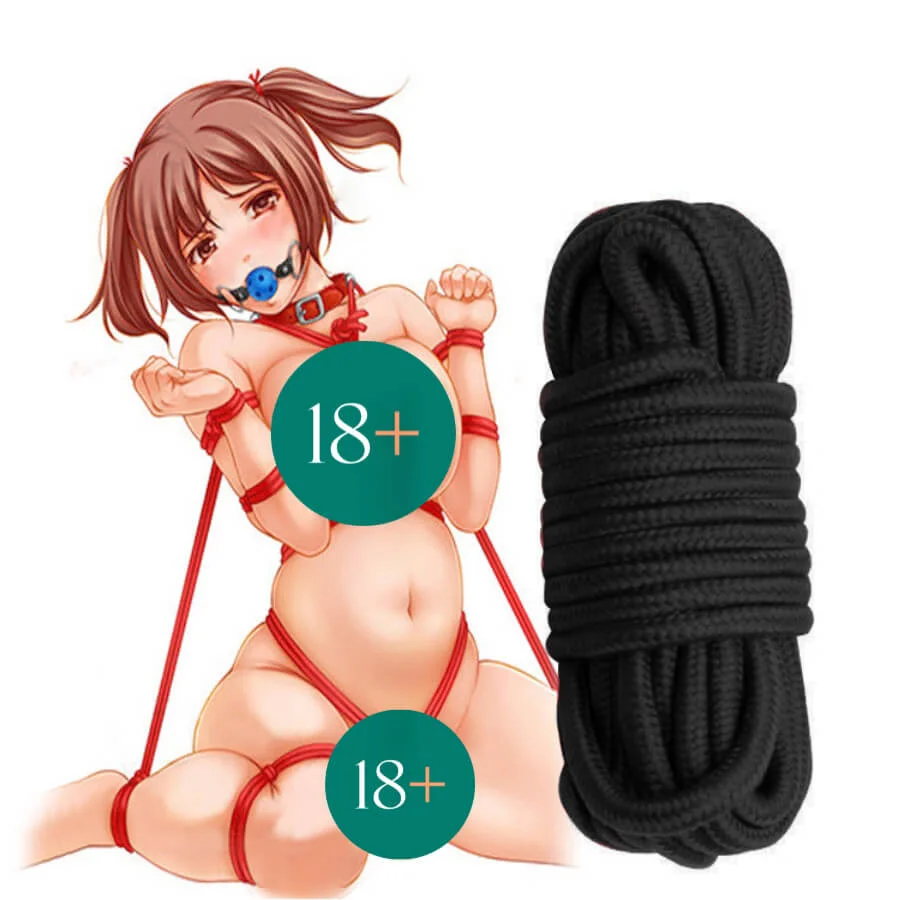
Impact play covers spanking, paddles, floggers, and crops, and anatomy sets its rules: fleshy areas tolerate impact, the kidneys, spine, and tailbone do not. Sensory play removes one channel of sensation, usually with a blindfold, and is the lowest-barrier entry into kink for most couples. Rope bondage, including the Japanese practice known as shibari, adds an aesthetic element plain cuffs do not, and calls for safety shears within reach, regular circulation checks, and never leaving a tied partner alone.
Material Fetishes: Latex, Leather, and Lingerie
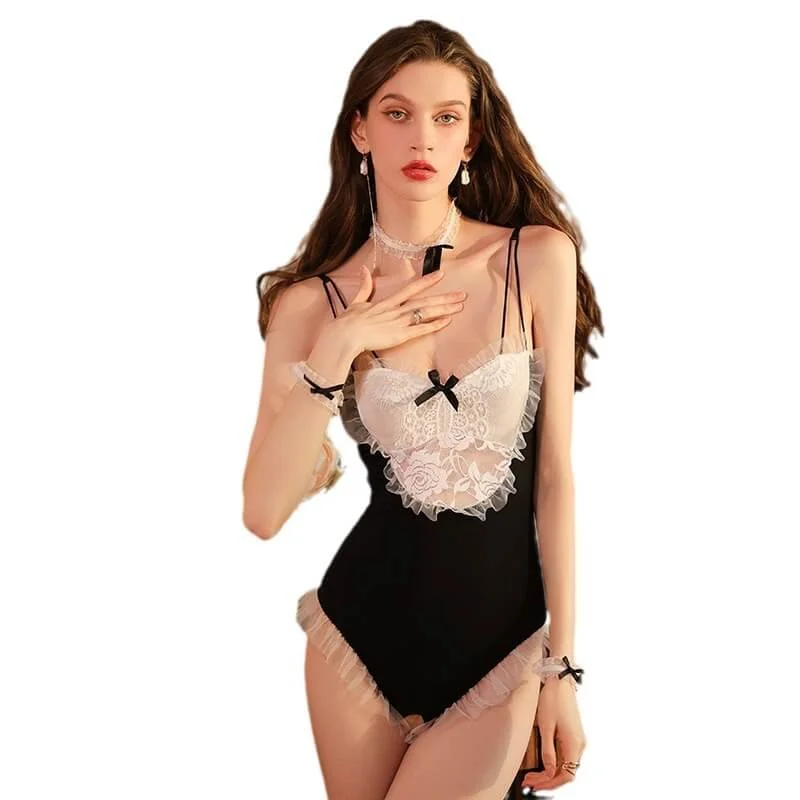
Material fetishes centre on texture and the visual transformation a fabric creates, with latex, leather, and hosiery the most reported. Because the focus is an object rather than an act, lingerie and costumes are the whole equipment list.
Dominance and Submission
Consent Is the Part That Cannot Be Skipped
Every distinction above collapses without consent, which is why clinical bodies treat it as the deciding factor rather than a footnote. A kink practised with an informed, enthusiastic partner is recreation. The same act imposed on someone who has not agreed is not a kink at all.
In practice that means negotiating beforehand what is welcome and what is off limits, agreeing on a way to stop such as a safe word or a non-verbal signal when speech is restricted, and checking in afterwards. Raising one new element and asking how it landed works better than presenting a list, and ManjaToy’s guide to spicing up your sex life with sex toys has a few gentle openings.
Common Questions About Kinks and Fetishes
What does kinky mean?
Kinky is an informal adjective for sexual interests that sit outside the conventional script, such as restraint, power exchange, roleplay, or sensation play. It is a cultural label rather than a clinical one, and what it covers varies by person and by place.
Is a fetish the same as a paraphilia?
Not quite. Paraphilia is the clinical umbrella term for any persistent, intense, atypical arousal pattern, and fetishism is one category inside it. A paraphilia is also defined independently of whether it causes distress or impairment, so the word describes an interest rather than diagnosing a problem.
Is having a fetish normal?
Yes, in the statistical sense. Survey research finds that 45.6% of respondents reported interest in at least one paraphilic category, with fetishism reported by 26%, and current international classification no longer treats consensual fetishism as a distinct diagnosis.
When does a kink become a problem?
When it causes genuine distress beyond embarrassment about social judgement, when it interferes with daily life, or when it involves anyone who cannot or does not consent. Clinical guidance sets the threshold at at least six months, with significant distress, impairment, or harm.
Where Curiosity Turns Into a First Purchase
Naming the difference leaves one practical question open: where to buy a first blindfold, cuff, or rope without the purchase becoming an event in itself.
That is where ManjaToy comes in. As one of the largest online sex toy stores in Malaysia, ManjaToy stocks a full BDSM range of beginner-friendly restraints, blindfolds, and cuffs, all 100% authentic and priced for a first try rather than a collection. Every order ships in 100% discreet packaging through secure checkout, with 24/7 customer support for the questions buyers would rather not ask in person.
Kink rarely replaces the rest of a couple’s repertoire, and the same catalogue carries both. You can buy a vibrator online in Malaysia or a realistic dildo in the same order, and anyone shopping for men’s toys can buy a masturbator toy online in Malaysia or buy a fleshlight online in KL with the same discreet delivery.
Start with one item rather than a kit.
Sources
- Journal of the American Academy of Psychiatry and the Law – “DSM-5 and Paraphilic Disorders“
- American Psychiatric Association – “Paraphilic Disorders“
- Merck Manual Professional Edition – “Overview of Paraphilias and Paraphilic Disorders“
- The Journal of Sex Research – “The Prevalence of Paraphilic Interests and Behaviors in the General Population: A Provincial Survey“
- International Journal of Impotence Research – “Relative Prevalence of Different Fetishes“
- Turkish Journal of Psychiatry – “The Changes in ICD-11 Related to Sexual Health and Dysfunction and Their Implication for Clinical Practice“