





Fit is the specification that matters most, ahead of thickness, texture, or flavour. A condom that fits badly is the one that breaks, slips, or gets taken off halfway, and every other feature is irrelevant once that happens.
Most buying guides start with brands and finish with features. This one runs in the order that actually affects outcomes: size, then material, then storage, which in the Malaysian climate is a bigger factor than people expect. Prices here are quoted in ringgit for what a box realistically costs locally.
Why Fit Comes First
Condom failure is usually a fit problem wearing another name. In a study of 278 men reporting on 834 condom-protected occasions, breakage was reported in 15% of events, slippage during withdrawal in 8%, slippage during sex in 7%, and fit or feel problems in 19%, with a mean of 6.4 errors or problems per participant. Those numbers are far higher than most people assume, and they are not evenly distributed. They cluster among users whose condoms fit poorly.
This is also the gap between the headline effectiveness figure and real life. WHO puts the ceiling clearly: used correctly with every act of sex, 98% of women whose partners use male condoms will be protected from unplanned pregnancy. The floor is a long way below it. NHS guidance puts effectiveness at 82% when condoms are not used correctly, which works out at around one in five women becoming pregnant over a year. Sixteen percentage points separate those two numbers, and fit is a large part of what sits between them.
Getting the Size Right
Length is not the measurement that matters, because almost every condom is longer than it needs to be and the excess simply rolls at the base. Girth is what determines fit, and the specification to look for is nominal width, which is the flat width of the condom measured across, usually printed in millimetres on the box.
Measure girth at the thickest point with a strip of paper or a tape measure, then divide by two. That figure, roughly, is the nominal width to look for. Most standard condoms sit around 52 to 54mm nominal width. Below about 51mm is a snug fit, above about 56mm is a large fit.
Two symptoms tell you the size is wrong without any measuring. If a condom feels tight, restricts sensation noticeably, or leaves a deep ring mark, it is too small and more likely to break. If it moves during sex, bunches, or comes off during withdrawal, it is too large. Neither is a reason to stop using them; both are a reason to change size.
Latex or Non-Latex
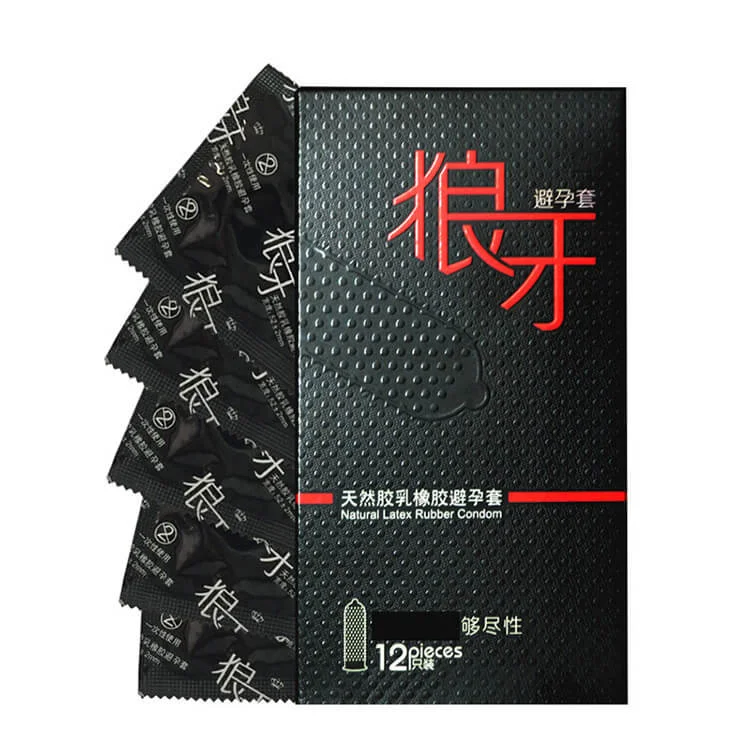
Latex is the default for good reason: it is strong, elastic, cheap, and the material behind essentially all the effectiveness research. It covers the great majority of what is sold in Malaysia.
The exception is latex sensitivity, which is less rare than most people assume: one review puts the worldwide prevalence of latex allergy at about 4.3% in the general population, rising to 9.7% among healthcare workers. Reactions range from mild irritation to genuine allergy, and if either partner gets itching, burning, or a rash that appears reliably after use and not otherwise, switch to a non-latex option such as polyurethane or polyisoprene rather than assuming it is the lubricant. Non-latex condoms cost more and conduct heat differently, which some users prefer regardless of allergy.
One compatibility rule applies to latex only and is worth committing to memory: oil breaks it down. Health service guidance is blunt about it, advising that you should not use oil-based lubricant with latex condoms and should use water-based or silicone-based lubricant instead. That includes petroleum jelly, baby oil, massage oil, hand lotion and coconut oil.
The Malaysian Problem: Heat and Where You Keep Them
This is the part local guides skip, and it matters more here than in temperate countries. Condoms are manufactured and tested to survive tropical conditions, and WHO guidance is reassuring on ordinary storage: properly packaged, good-quality condoms stored at average temperatures in tropical climates do not deteriorate during storage. Malaysia’s ambient climate is not the threat.
Enclosed hot spaces are. The same guidance sets an average storage temperature below 30°C, with short-term excursions not exceeding 40°C and peak temperatures never exceeding 50°C, and notes that containers left in the sun run substantially hotter than the air around them. A car parked in the open in KL comfortably clears 50°C inside. A glovebox is worse.
So: not the car, not a motorcycle seat compartment, and not a wallet kept in a back pocket, where friction and body heat work on the foil for months. A bedside drawer is fine. A bathroom cabinet is acceptable if it is not directly above a hot shower.
Check the expiry date every time, not just at purchase, and discard any foil that is brittle, discoloured, or no longer feels like it has a cushion of air in it. A damaged wrapper means a damaged condom regardless of the date printed on it.
What the Different Types Actually Do
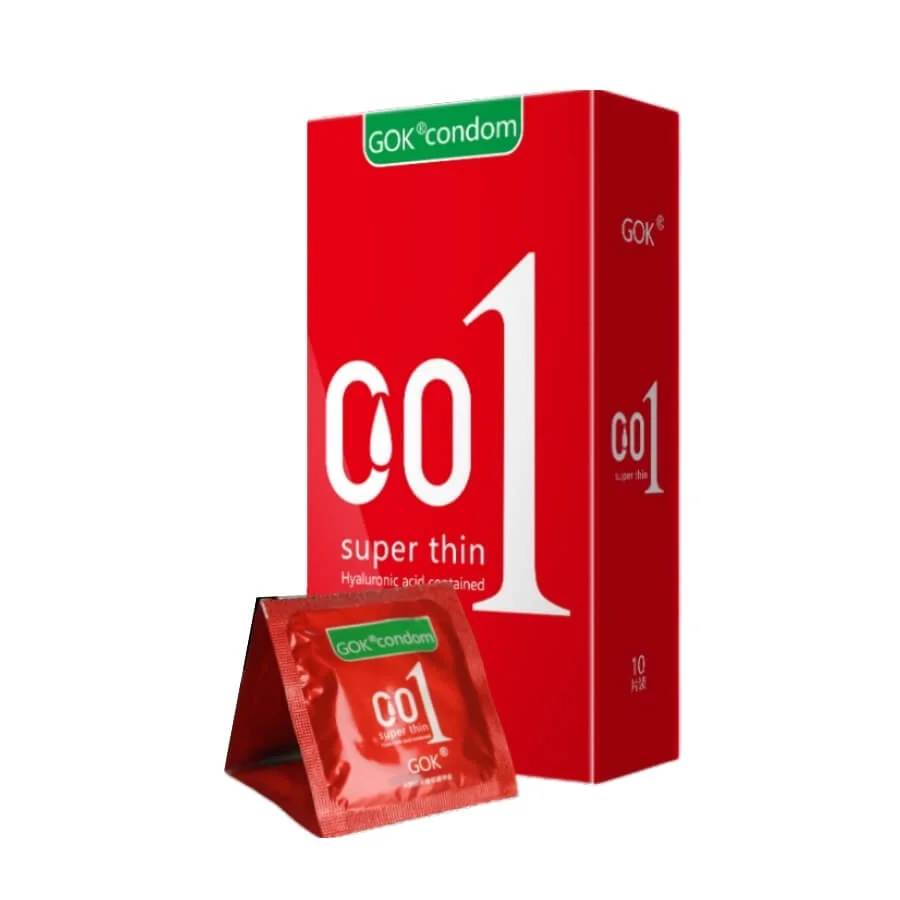
Ultra-thin condoms are thinner but tested to the same strength standards, so the trade is sensation against nothing much. Dotted, ribbed and 3D-textured versions change sensation for the receiving partner rather than the wearer. Flavoured condoms are designed for oral use, and the flavouring is the only meaningful difference.
One distinction is worth being clear about, because the two sit side by side in most online stores. Penis sleeves and extension sleeves are not condoms. They are not contraception, they do not protect against sexually transmitted infections, and they are not tested to condom standards. If protection is part of what you need, a sleeve does not provide it and a condom must be used as well.
What Condoms Cost in Malaysia
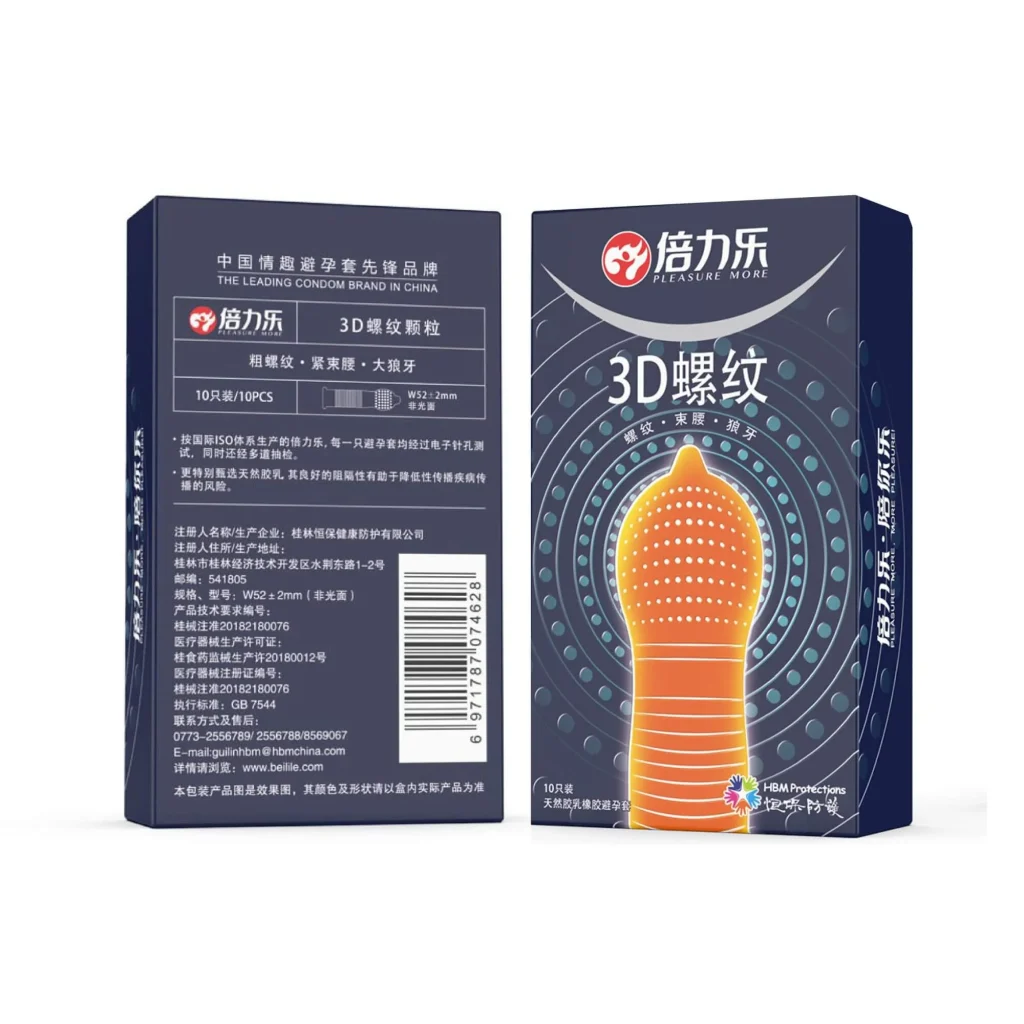
Expect roughly RM16 to RM59 a box online, with most standard packs of ten sitting between RM19 and RM29. Ultra-thin ranges are usually a few ringgit more, flavoured multipacks land around RM19, and textured or pattern variety packs run to about RM43. Larger sleeve and delay products sit at the top of that range, near RM46 to RM59.
Buying online is generally cheaper per unit than a convenience store, and for most buyers the more important factor is discreet packaging rather than price. It is worth checking that the outer box carries no branding and that the payment descriptor is neutral before ordering anywhere.
Common Questions About Buying Condoms in Malaysia
How much do condoms cost in Malaysia?
Roughly RM16 to RM59 a box online. A standard pack of ten typically costs RM19 to RM29, with ultra-thin and textured variants a few ringgit above that.
What condom size should I buy?
Go by nominal width, printed in millimetres on the box, not by length. Measure girth and halve it to get an approximate target. Around 52 to 54mm is standard, under 51mm is snug, over 56mm is large.
Can I keep condoms in my car or wallet?
No to both. WHO guidance puts the peak temperature limit at 50°C, which a parked car in Malaysia exceeds easily, and a wallet subjects the foil to months of friction and body heat. Store them in a drawer at room temperature.
Are condoms effective?
Used correctly every time, WHO reports 98% protection against unplanned pregnancy. Real-world rates are lower, and the gap is largely explained by fit problems, breakage and inconsistent use rather than by the product failing on its own.
Do penis sleeves work as condoms?
No. Sleeves and extension products are not contraception and offer no protection against sexually transmitted infections. Use a condom as well if protection is needed.
What lubricant is safe with condoms?
Water-based and silicone-based lubricants are both safe with latex. Avoid oil of any kind, including petroleum jelly, baby oil and coconut oil, which weakens latex and increases the risk of failure.
Buying Condoms Discreetly in Malaysia
Getting fit and storage right costs nothing and does more for reliability than any upgrade in thickness or texture. The remaining question is where to buy without a counter conversation.
That is where ManjaToy comes in. As one of the largest online sex toy stores in Malaysia, ManjaToy stocks condoms online in Malaysia across ultra-thin, textured, flavoured and larger-fit ranges from RM16, all 100% authentic, alongside water-based lubricant that is safe to pair with latex. Every order ships in 100% discreet packaging through secure checkout, with 24/7 customer support for the questions buyers would rather not ask across a pharmacy counter.
Not sure which lubricant to pair with them? ManjaToy’s water-based versus silicone-based guide covers compatibility in more detail.
Sources
- World Health Organization – “Condoms Fact Sheet“
- World Health Organization – “Condom Storage and Shipping Temperatures“
- International Journal of STD & AIDS – “Slips, Breaks and ‘Falls’: Condom Errors and Problems Reported by Men Attending an STD Clinic“
- NHS – “Condoms: Methods of Contraception“
- Journal of Occupational Health – “Current Prevalence Rate of Latex Allergy: Why It Remains a Problem?“